
News · 15 November 2026
How responsive attractions could improve sensory accessibility
Sensory needs vary from guest to guest. An attraction that can respond could meet more of them, without splitting groups up or running a separate show.
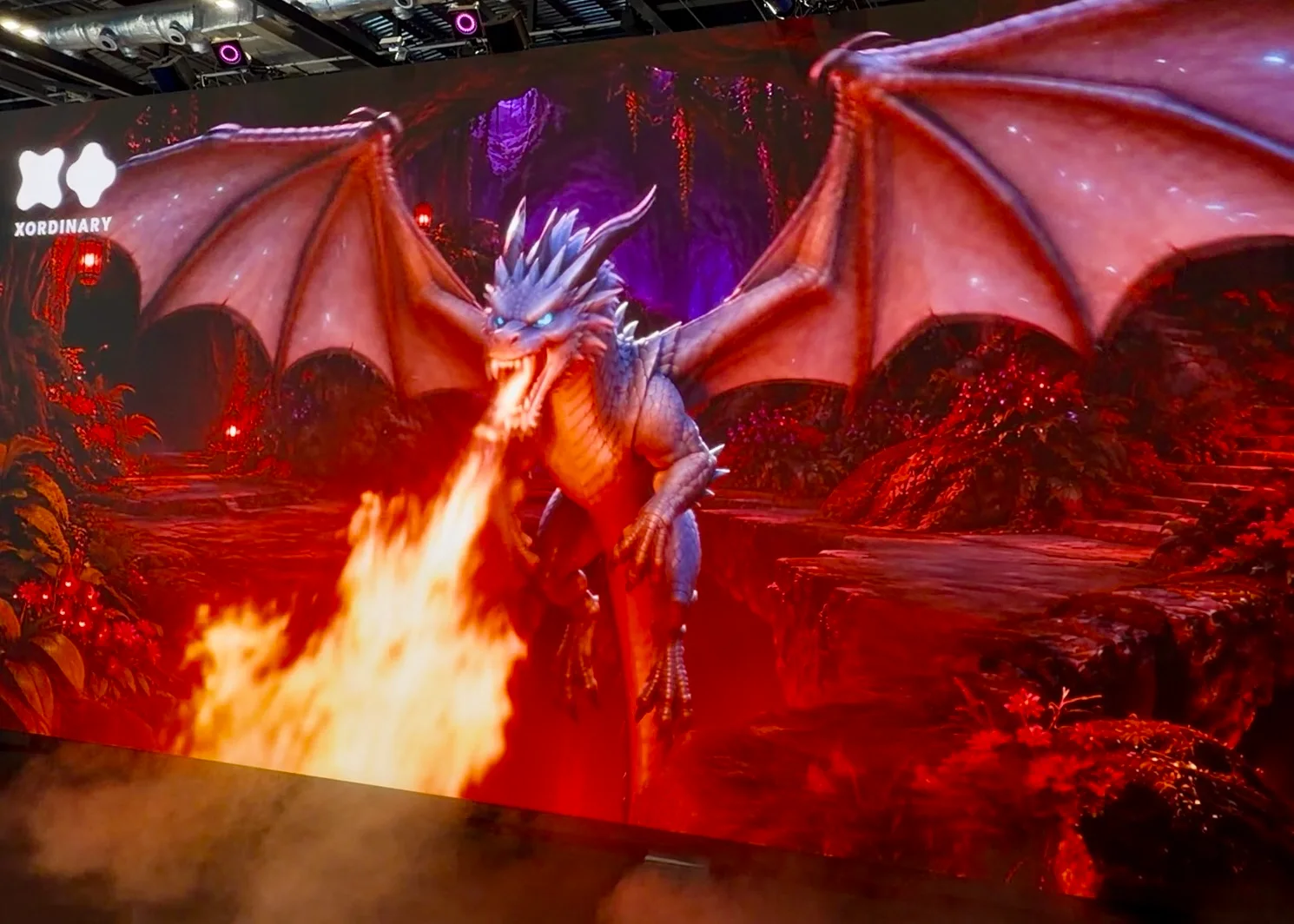
Theme parks and immersive attractions bring together sound, light, movement, darkness, scent and special effects to shape how a guest feels. Those same elements can also make an experience difficult or inaccessible for people with particular sensory needs.
Sensory requirements vary considerably from person to person. Some neurodivergent guests may find loud or overlapping audio difficult, while others may be more affected by flashing lights, darkness, sudden effects or crowded environments. Some actively seek sensory stimulation rather than avoiding it.
Attractions are increasingly giving guests more information to help them plan around these factors. Sensory guides can explain what to expect from individual rides, while quiet spaces, accessibility planning tools and reduced-sensory experiences can help guests manage their visit.
XOrdinary Shift creates an opportunity to take that further by allowing the attraction itself to respond.
Building sensory flexibility into the experience
XOrdinary Shift is an intelligent experience engine that interprets live information and selects how an attraction should respond within boundaries defined by its creative and operational teams.
For sensory accessibility, those inputs could include preferences or requirements a guest has chosen to share before their visit. Rather than having a single sensory setting for every person who experiences an attraction, creative teams could author a range of appropriate responses across lighting, sound, media, special effects and show programming.
A guest who is sensitive to sudden loud sounds could receive a version where a particular audio effect is reduced. Flashing or highly intense lighting could be replaced with an authored alternative. Atmospheric effects could be adjusted, or a scene built around darkness could use a different lighting treatment where the creative design allows it.
The attraction still delivers the same story and remains recognisably the same experience. What changes is the way particular moments are delivered to the guests experiencing them.
That gives designers more room to accommodate different sensory requirements without treating accessibility as a separate version of the attraction.
One attraction, different sensory needs
Dedicated reduced-sensory performances can be valuable, but they inevitably take place at a particular time and usually apply one set of adjustments to everyone attending.
Sensory needs are much more individual than that.
A guest may be comfortable with loud audio but sensitive to flashing light. Someone else may have no problem with lighting or sound but find a particular atmospheric effect difficult. Another guest may actively enjoy a high level of sensory stimulation.
With Shift, attraction teams could design for those differences from the outset.
Before visiting, a guest might choose to create a sensory profile identifying the elements that are relevant to them. For example, they could indicate sensitivities around strobe lighting, darkness, sudden sounds or particular special effects.
When that guest and their group reach an attraction that supports those preferences, Shift could interpret the information alongside the attraction’s own creative and operational rules and select the most appropriate authored version for that moment.
The decision is made within the attraction’s systems in under half a second, so the adjustment becomes part of the normal show rather than something the guest has to configure once they are inside.
Keeping groups together
There is an important social side to this too.
Accessibility provision can sometimes mean experiencing something differently from the people you came with, whether that means attending at a particular time, stepping away from an attraction or deciding not to experience it at all.
Where an attraction has been designed to support sensory variation, Shift could allow the whole group to experience it together while adapting particular elements to suit the requirements that have been communicated.
For attraction teams, this creates more flexibility without requiring a completely separate show. The same creative world can support different levels of sensory intensity and different combinations of effects, with each variation designed intentionally rather than created by simply switching elements off.
That distinction matters. A lower-sensory experience should still feel considered, complete and true to the story.
Accessibility as part of attraction design
Responsive technology does not remove the need for established accessibility provision, and there will always be elements of an attraction that cannot change. Safety requirements, physical ride restrictions and effects that are fundamental to an experience still need to be communicated clearly.
The opportunity is to identify the elements that can adapt and design those alternatives properly.
That could happen when a new attraction is being developed, with different sensory responses authored alongside the main experience from the beginning. Shift can also integrate with existing attraction systems, opening up opportunities to introduce responsive elements into attractions that are already operating.
Creative teams remain responsible for defining what is possible. They decide which lighting states, audio mixes, media variations and effects are appropriate, how they support the story and where the limits sit. Shift uses the information available in that moment to determine which of those authored responses is most appropriate.
This approach also avoids assuming that there is one universal definition of an accessible experience. Neurodivergent guests have different needs and preferences, and Katapult’s research into neurodivergent attraction design highlights that sensory profiles can include both sensory avoidance and sensory seeking.
Designing more possibilities into the attraction gives teams more ways to respond to that range of needs.
A more personal approach to accessibility
For years, personalisation in attractions has largely happened around the experience: planning a visit, choosing an itinerary, managing queues or deciding which attractions are suitable.
Responsive attraction technology means personalisation can start to influence the experience itself.
For accessibility, that could mean a guest does not simply receive information telling them that an attraction contains an effect they may find difficult. Where the attraction has been designed to support it, the effect itself could respond.
That creates an interesting opportunity for attraction designers and operators: to make experiences accessible to a wider range of people while preserving the story, excitement and shared experience that brought them there in the first place.
For us, that is one of the most important applications of XOrdinary Shift.
You can try an accessible walkthrough in the Shift demo, where two guests with different sensory needs go round together.
If you’re exploring how sensory accessibility could be built into a new or existing attraction, speak to the XOrdinary team about what Shift could make possible.
For more from the team, follow us on LinkedIn.
← All news